Rebuilding the forest-steppe
mosaic of Central Kazakhstan
Large-scale reforestation of degraded land in the Kazakh Uplands, designed to establish diverse, climate-resilient forest patches and deliver high-quality, long-term carbon removals.
10,000 ha
Initial restoration area
~191,000
Expected VCUs per year
40 years
Crediting period
~7.65 million
Expected lifetime VCUs
Estimates are based on feasibility-stage modelling and remain subject to validation, verification and applicable VCS deductions.
High-integrity carbon removal
Uplands is being developed as an Afforestation, Reforestation and Revegetation project under Verra’s VM0047 v1.1 methodology. Feasibility-stage modelling estimates approximately 10 million tCO2e of gross removals over the 40-year crediting period.
After expected deductions for uncertainty, the non-permanence buffer and other applicable adjustments, the Project is currently estimated to generate approximately 7.65 million Verified Carbon Units, or around 191,000 VCUs per year on average.
- VCS
- Verified Carbon Standard
- VM0047
- Afforestation, Reforestation and Revegetation of Degraded Lands
- CCB
- Climate, Community & Biodiversity Standards
- ABACUS
- Targeted eligibility for the ABACUS Label
Validation is currently expected in 2027. First verification is currently expected in 2030.
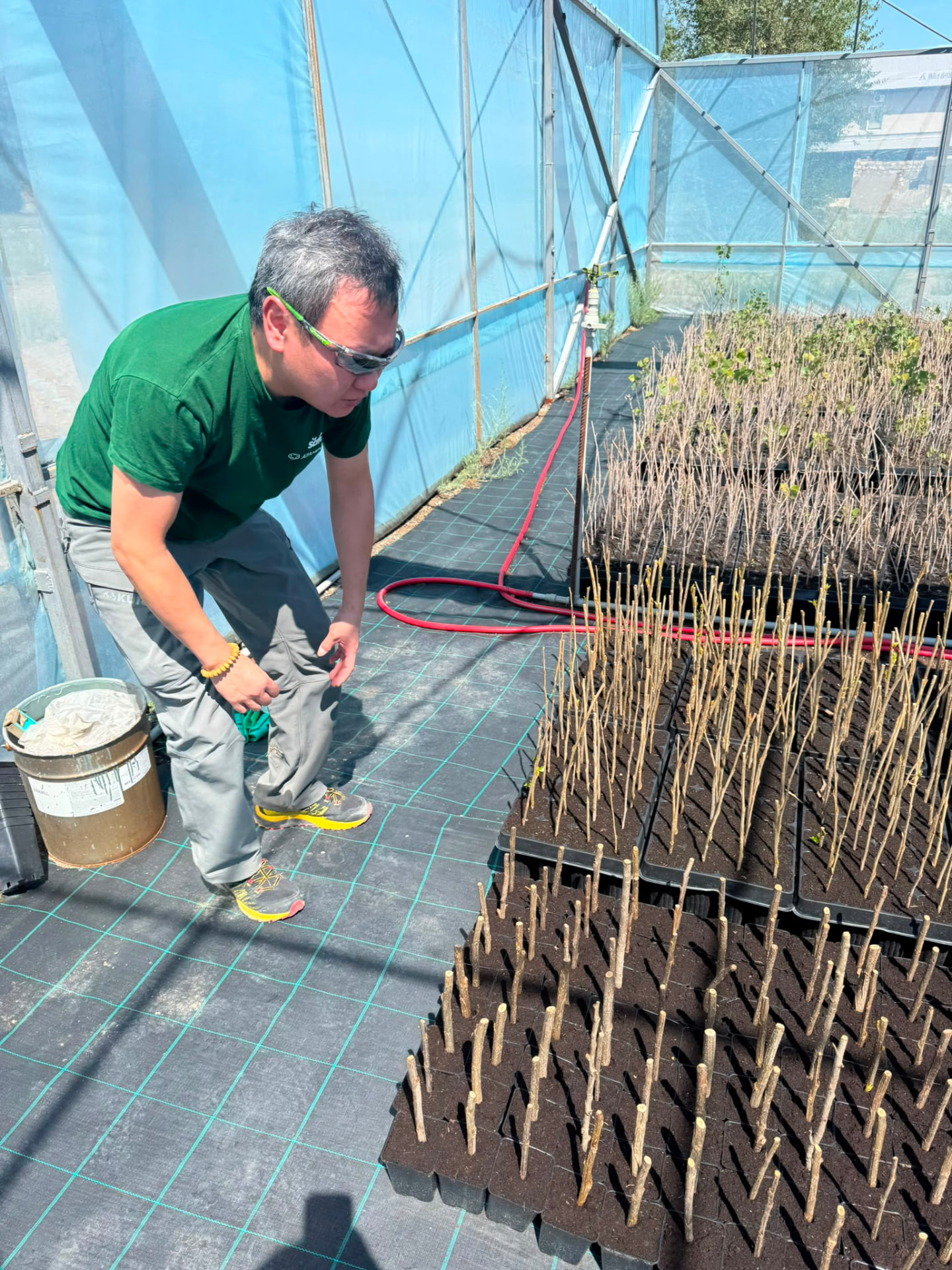
Bringing forests back to the Uplands
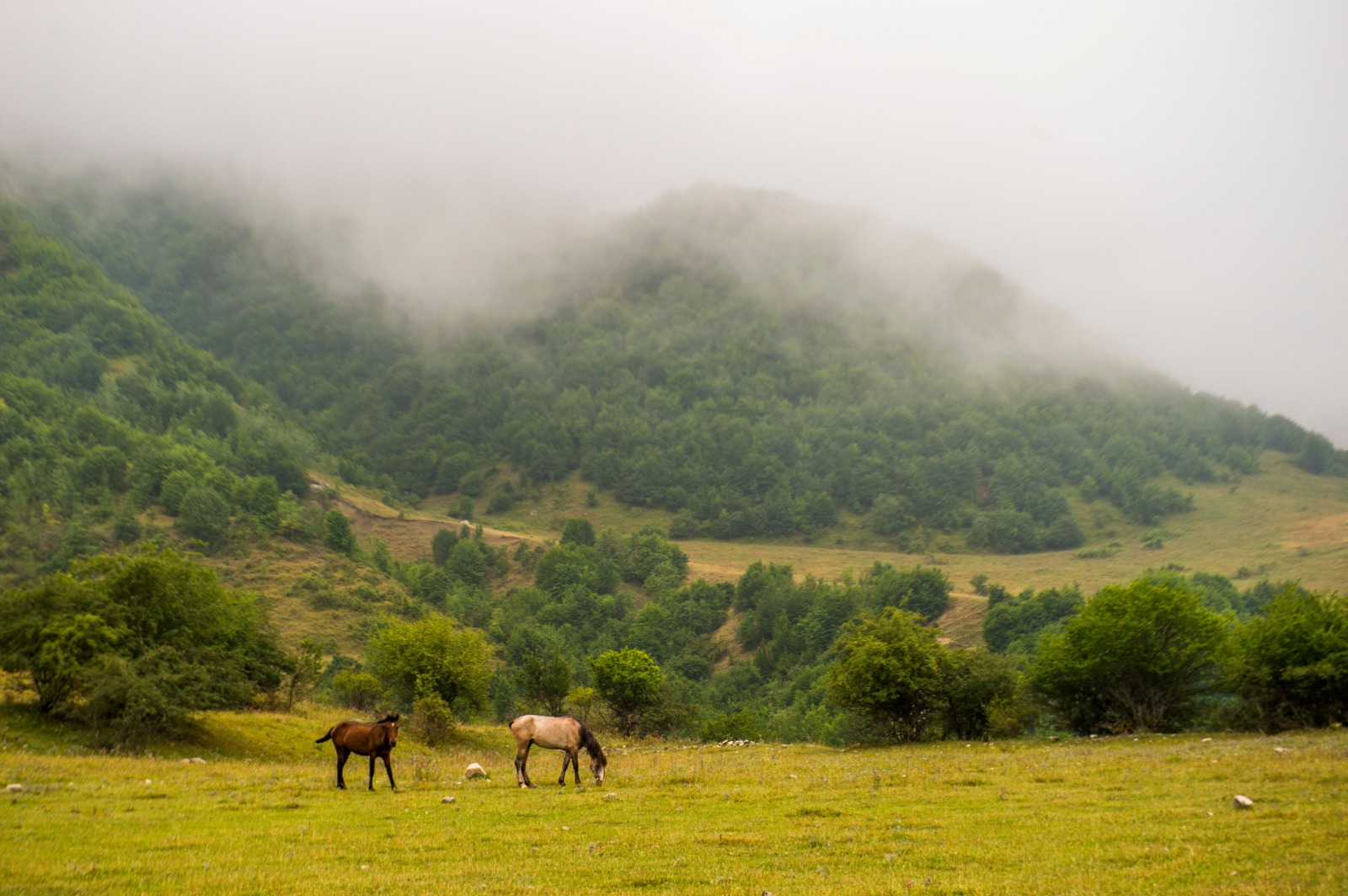
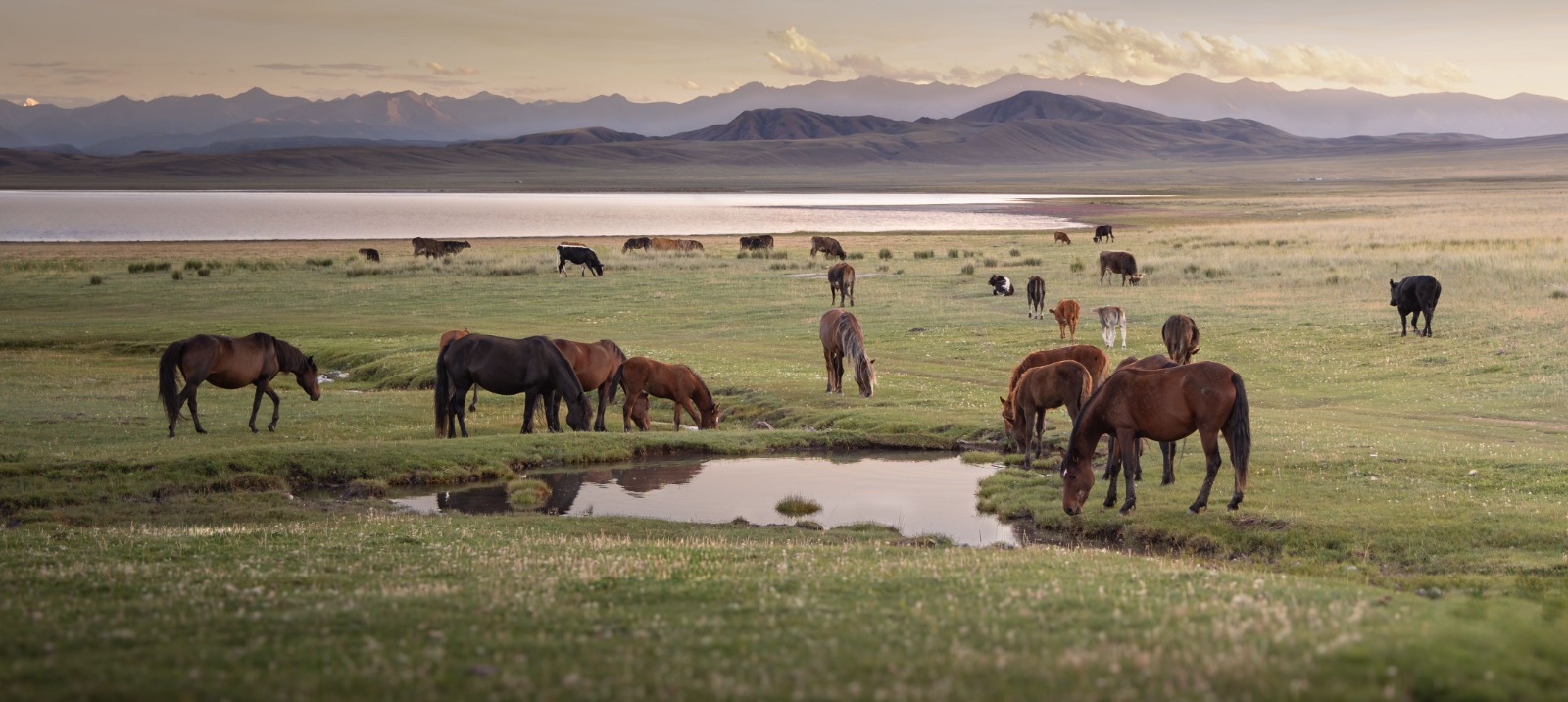
The name Uplands comes from the Project’s home: Saryarka, the Kazakh Uplands, a distinctive Central Asian landscape of open steppe, gently rolling terrain, low hills and shallow depressions. Historically, the wider region supported a more diverse forest-steppe mosaic. Decades of intensive land use and sustained grazing pressure have progressively simplified the landscape and limited natural woody regeneration.
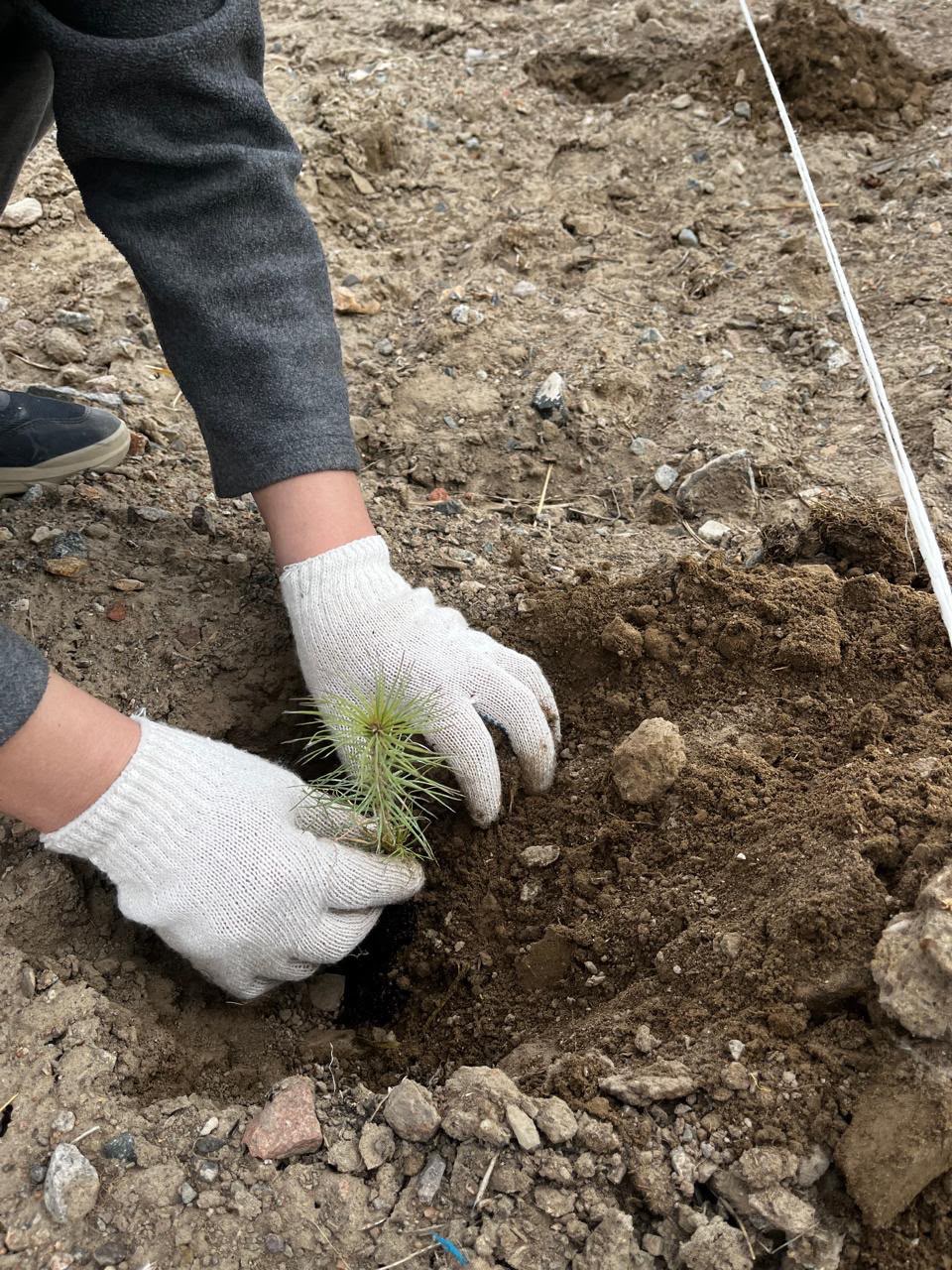
Uplands aims to reverse this trajectory by establishing diverse and resilient forest patches across degraded land, using species and planting designs adapted to local soils, topography and moisture conditions. The wider Karkaraly landscape provides a living regional reference for the coexistence of forests, grasslands and the characteristic upland terrain of Saryarka.
Not a monoculture plantation. A landscape restoration project.
More than carbon
Uplands is designed as an ecosystem restoration project rather than a commercial timber plantation.
Diverse forests
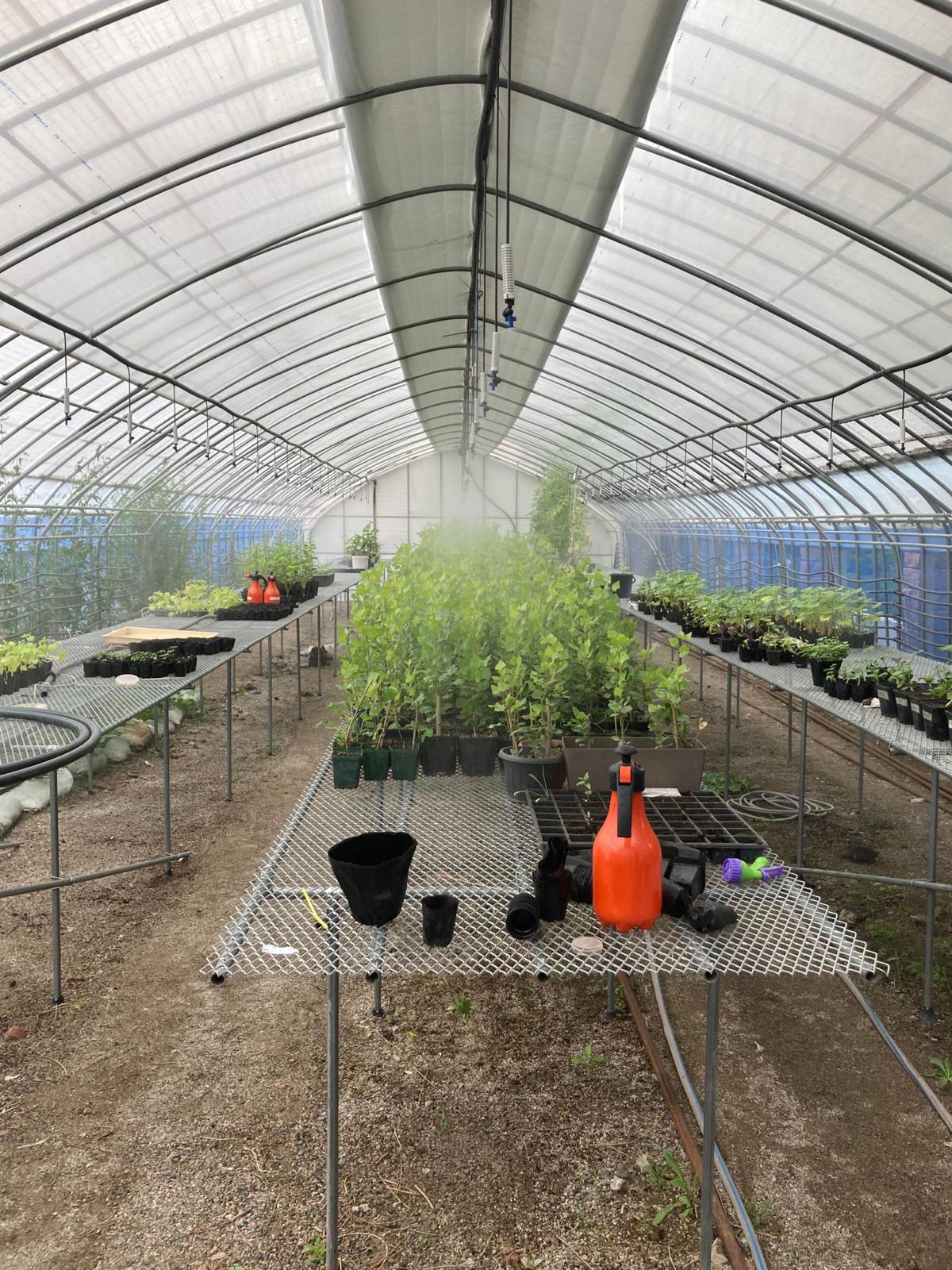
Forest patches will use a mix of native and regionally adapted species selected for the dry steppe and forest-steppe environment, including poplar, elm, ash, willow, birch and pine.
Restoring degraded land
Long-term grazing pressure has resulted in soil compaction, declining vegetation quality and limited natural regeneration. Reforestation is intended to restore ecological functions and improve long-term land productivity.
Climate resilience
Planting design and land preparation will respond to local topography and moisture gradients, supporting establishment, moisture retention and resilience to drought and temperature extremes.
Landscape connectivity
New forest patches are expected to increase habitat diversity and strengthen ecological connectivity within the broader Karkaraly region.
The Project is expected to create up to approximately 90 jobs during peak planting activities and retain approximately 20 long-term positions for forest management, monitoring and protection.
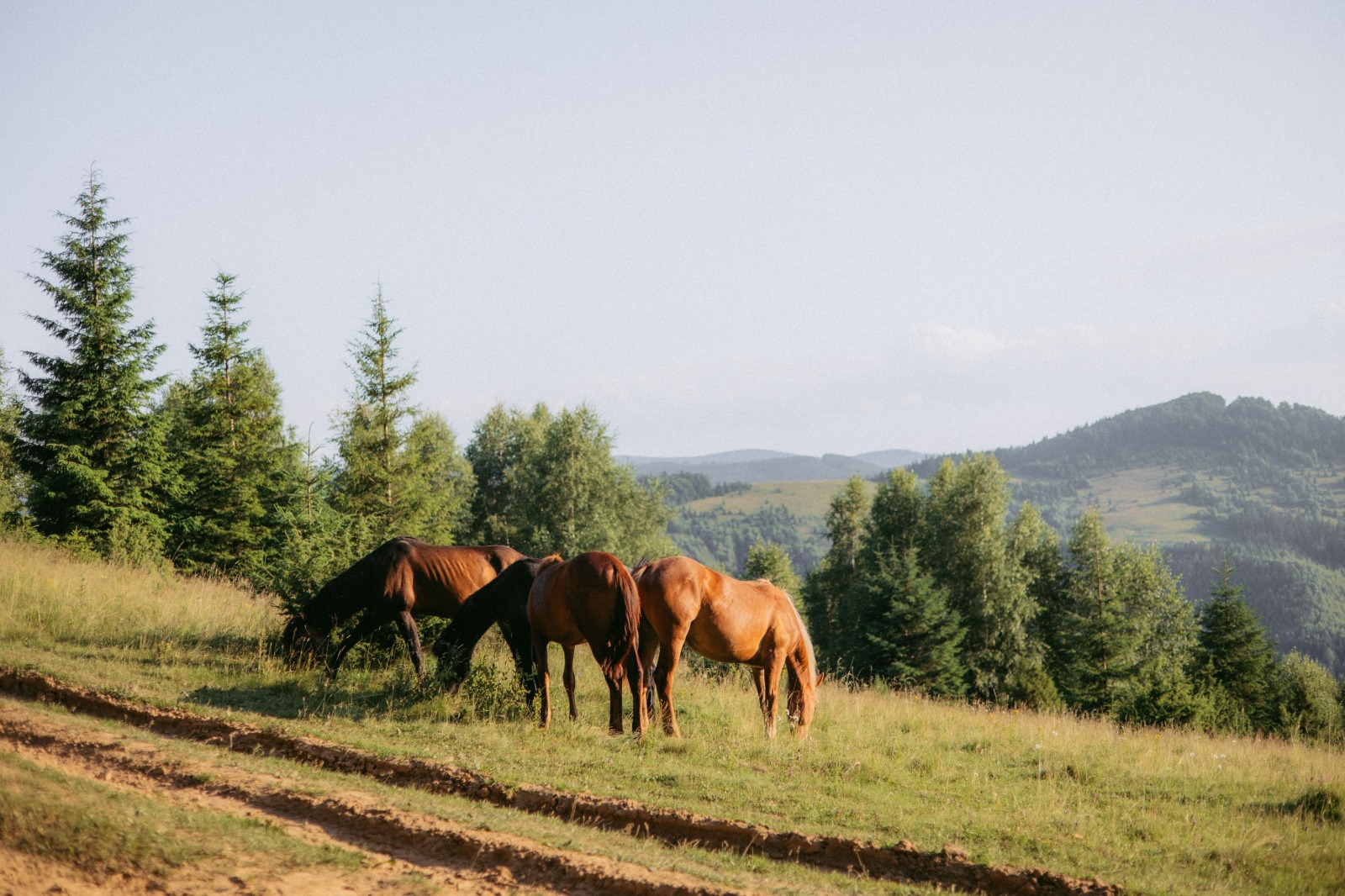
Starting with 10,000 hectares. Designed to grow.
The initial Uplands Project is expected to restore approximately 10,000 hectares of degraded land. But the ambition extends beyond a single forest.
Over time, additional restoration areas may be incorporated across the same ecological and climatic region, creating a growing network of biodiverse forest patches within the steppe landscape. The long-term vision is to progressively rebuild elements of the forest-steppe mosaic that historically characterised this part of Central Kazakhstan — restoring degraded land patch by patch and increasing the resilience of the wider landscape.
10,000 ha → a growing restoration landscape
Built by an experienced local team
The Uplands Project is developed by Carbon Bridge Central Asia (CBCA).
CBCA is the team behind the SAFC Project, one of Kazakhstan’s pioneering large-scale nature-based carbon removal initiatives. Building on experience gained through SAFC, the team is developing Uplands as the next generation of landscape-scale reforestation in Kazakhstan, combining carbon finance with long-term ecological restoration.
SAFC Pilot Project
- Website
- safc.kz
- y.kim@safc.kz
CBCA
- Website
- cbca.kz
Partner with Uplands
Uplands is being developed to deliver long-term, high-quality nature-based carbon removals alongside measurable landscape restoration benefits in Central Kazakhstan.
For carbon offtake, investment, partnership or Project enquiries, please contact the Uplands team.